Herman Adrian Spruit Research Centre • Advanced Ministerial Studies

HASRC Sacramental Studies
Inquire for Admission
Postgraduate Specialist Religious Award Holy Orders & Clergy Formation Post-nominal: L.S.Min

Licentiate in Sacramental Ministry

A comprehensive theological, mystical, and practical ministerial formation program designed for candidates pursuing priestly ordination within the Independent Sacramental Movement (ISM) and interfaith sacramental ministry[cite: 2, 18]. Integrates altar mechanics, esoteric Christian theology, pastoral counseling, and energy healing into a structured 72-credit distance learning pathway[cite: 18, 19, 20].

Total Credits 72 Credits 2,880 Learning Hrs
Duration Up to 3 Years Self-Paced Mode
Delivery Online & Rites Distance + Practicum
Prior Learning Up to 30% PLA Credit Transfer
Program Overview

Ministerial Licensure

Conferred upon completion of curriculum and practicum[cite: 18, 20]

Program Level: Postgraduate / Specialist
Core Modules: 16 Courses (57 Credits)[cite: 19]
Electives: 2 Courses (6 Credits)[cite: 19, 25]
Practicum Series: 3 Courses (9 Credits)[cite: 19, 26]
Academic Dress: Seminarian / Holy Orders[cite: 20]

Sponsored scholarship options available for candidates under Episcopal direction[cite: 20].

Foundational Purpose

Nurturing Inner Spirituality in Ministry

The Licentiate in Sacramental Ministry (L.S.Min) program offers comprehensive theological, pastoral, and practical training for individuals pursuing priestly ordination within the Independent Sacramental Movement and interfaith ministries[cite: 2, 18]. In his seminal writings, Patriarch Herman Adrian Spruit affirmed that "Only mysticism sustains the vitality and reality of faith," establishing that ministerial education must transcend rigid scholasticism to awaken deep spiritual realization[cite: 14].

The program integrates a thorough understanding of historic sacramental theology with operative skills essential for pastoral care, inclusive altar facilitation, and contemplative guidance[cite: 18]. Students are equipped to administer the sacred mysteries without discrimination or prejudice, honoring the Antiochian heritage of sacramental justice[cite: 18].

While ideally suited for ordinands preparing for holy orders, the program warmly welcomes non-ordained seekers, holistic practitioners, and ministers from diverse denominations who wish to master advanced sacramental praxis and metaphysical methods[cite: 2].

Ecclesiastical Freedom & Supportive Environment

HASRC promotes an open and supportive sanctuary that fosters intellectual empathy and personal expression without dogmatic fear or sectarian constraints[cite: 18].

Competencies & Mastery

Program Learning Outcomes

Upon completion of the 72 credit hours, the Licentiate holder will demonstrate the ability to[cite: 18]:

01

Demonstrate comprehensive understanding of the principles, lineages, and ministry of the Independent Sacramental Movement, particularly within our tradition[cite: 18].

02

Analyze and evaluate mystical practices to develop profound personal connection to the Divine[cite: 18].

03

Lead and administer sacramental rites to all souls without discrimination or prejudice using ancient and Liberal liturgies[cite: 18].

04

Apply pastoral care suited to community needs through compassionate listening, counseling, and spiritual direction[cite: 18].

05

Interpret scriptural texts using contemporary scholastic exegesis as insights for preaching, homiletics, and teaching[cite: 18].

06

Engage positively with church history throughout the centuries, appreciating the progressive evolution of the ISM[cite: 18].

07

Explore and integrate metaphysical spirituality, mind science, and subtle energy therapeutics for self-development and ministry[cite: 18].

08

Develop theoretical and practical homiletical skills to deliver transformative, spiritually resonant messages[cite: 18].

09

Engage respectfully with diverse religious traditions, cultivating genuine interfaith literacy, dialogue, and harmony[cite: 18].
Curriculum Architecture

Complete 72 Credit Hours Syllabus

Structured into 16 Core Courses (57 Credits), 2 Electives (6 Credits), and 3 Practical Series Units (9 Credits)[cite: 19].

I. Core Courses Series

57 Credits Total

Antiochian Sacramental Ministry (Basic Texts)

9 Credits (360 Hours)

Compulsory foundational text for holy orders candidates, divided into three parts (3 credits each): Part 1: The Esoteric Treasures of the Church; Part 2: The Making of Clergy; Part 3: Sacramental Power in the Church[cite: 21].

Mysticism Series

6 Credits
Esoteric Christianity (3 Cr): Hidden and mystical interpretations of scripture and practices deepening direct connection to the Divine[cite: 19, 21].
Christian Mysticism (3 Cr): Unseen dimensions of reality through Christian metaphysical concepts and contemplative theology[cite: 19, 21].

Liturgical Studies Series

9 Credits
Sacramental Theology (3 Cr): History, theology, and administration of sacraments in the Christian tradition[cite: 19, 21].
Science of the Sacraments (3 Cr): Metaphysical, clairvoyant, and energetic dynamics of the altar[cite: 19, 21].
Christian Creed (3 Cr): Symbolic and esoteric meanings behind historical creeds and faith affirmations[cite: 19, 21].

Pastoral Ministry Series

9 Credits
Ethics in Pastoral Ministry (3 Cr): Professional boundaries, confidentiality, integrity, and ethical dilemmas[cite: 19, 22].
Queer Theologies & Ministry (3 Cr): Inclusive pastoral care, biblical interpretation, and affirming ministry for LGBTQ+ communities[cite: 19, 22].
Interfaith Ministry (3 Cr): World religious traditions, inter-religious dialogue, and fostering spiritual harmony[cite: 19, 22].

Scriptural Studies Series

9 Credits
Contemporary Biblical Exegesis (3 Cr): Critical literary, historical, and cultural approaches to scripture[cite: 19, 23].
Biblical Metaphors & Symbolism (3 Cr): Metaphysical, allegorical, and symbolic interpretations of sacred texts[cite: 19, 23].
History of the New Testament (3 Cr): Social and political contexts of early Christian canonical and extra-canonical writings[cite: 19, 23].

Ecclesiology & Church History

6 Credits
Legacy of Patriarch Herman A. Spruit (3 Cr): His meta-Catholic synthesis, open communion, and impact on modern ISM[cite: 19, 23].
The Independent Sacramental Movement (3 Cr): Apostolic successions, lineages, catholicity, and progressive theology[cite: 19, 23].

Metaphysical Spirituality Series

9 Credits
Power of the Subconscious Mind (3 Cr): Mental science, subconscious reprogramming, and spiritual manifestation[cite: 19, 24].
The Magic of Believing (3 Cr): Operative principles of faith, consciousness, and personal transformation[cite: 19, 24].
Energy Healing (3 Cr): Subtle energy medicine, aura dynamics, and holistic spiritual self-care[cite: 19, 24].

II. Elective Courses (Choose TWO)

6 Credits Required
Marriage & Family Counselling (3 Cr)

Therapeutic communication and relational support for couples and family units[cite: 25].

Organizational Leadership (3 Cr)

Strategic planning, resource management, and administration in religious bodies[cite: 25].

Comparative World Religions (3 Cr)

Core teachings, histories, and practices across Eastern and Western traditions[cite: 25].

Liturgical Music & Aesthetics (3 Cr)

Acoustics, sacred hymns, choir direction, and music in liturgical ceremonies[cite: 25].

Conflict Management (3 Cr)

Mediation, reconciliation strategies, and constructive dialogue in faith communities[cite: 25].

III. Practical Ministerial Series

9 Credits Required
Field Education & Homiletics (3 Cr)

Practical ministry mentored under an experienced priest; liturgical homilies and pulpit delivery[cite: 19, 26].

Practicum in Sacramental Rites (3 Cr)

Hands-on rubrics and administration of Initiation, Healing, and Vocational sacraments[cite: 26].

Meditation Dynamics (3 Cr)

Mindfulness, contemplative silence, and integrating interior prayer into active ministry[cite: 26].

Academic Standards

Admission & Graduation Criteria

Admission Eligibility

Candidates may qualify through any of the following criteria[cite: 20]:

  • Completion of Foundation Certificate in Sacramental Studies[cite: 20].
  • Associate Diploma in Sacramental Ministry or equivalent[cite: 20].
  • Tertiary qualification with a minimum of 3 years active pastoral ministry[cite: 20].
  • Equivalent spiritual/educational experience approved by the Board of Studies[cite: 20].
Prior Learning Assessment (PLA): Eligible candidates may transfer up to 30% of required credits based on prior certified study or documented ministerial service[cite: 20].

Graduation Requirements

  • Credit Hours: Successful completion of all 72 credit hours (inclusive of practical units)[cite: 18, 20].
  • Minimum Grade: Achieve a minimum of 65% on all coursework, written reflections, and practical examinations[cite: 20].
  • Post-Nominal: Conferred the ecclesiastical post-nominal L.S.Min upon graduation[cite: 20].
  • Fellowship Pathway: Direct eligibility for intermediate standing (Associate Fellow) in the HASRC Learned Society[cite: 2, 20].
Learning Mode: Distance learning with flexible asynchronous modules[cite: 20]. Expected learning is 40 hours per 1 credit (120 hours per 3-credit course)[cite: 20].
Academic & Spiritual Leadership

Direction & Faculty Oversight

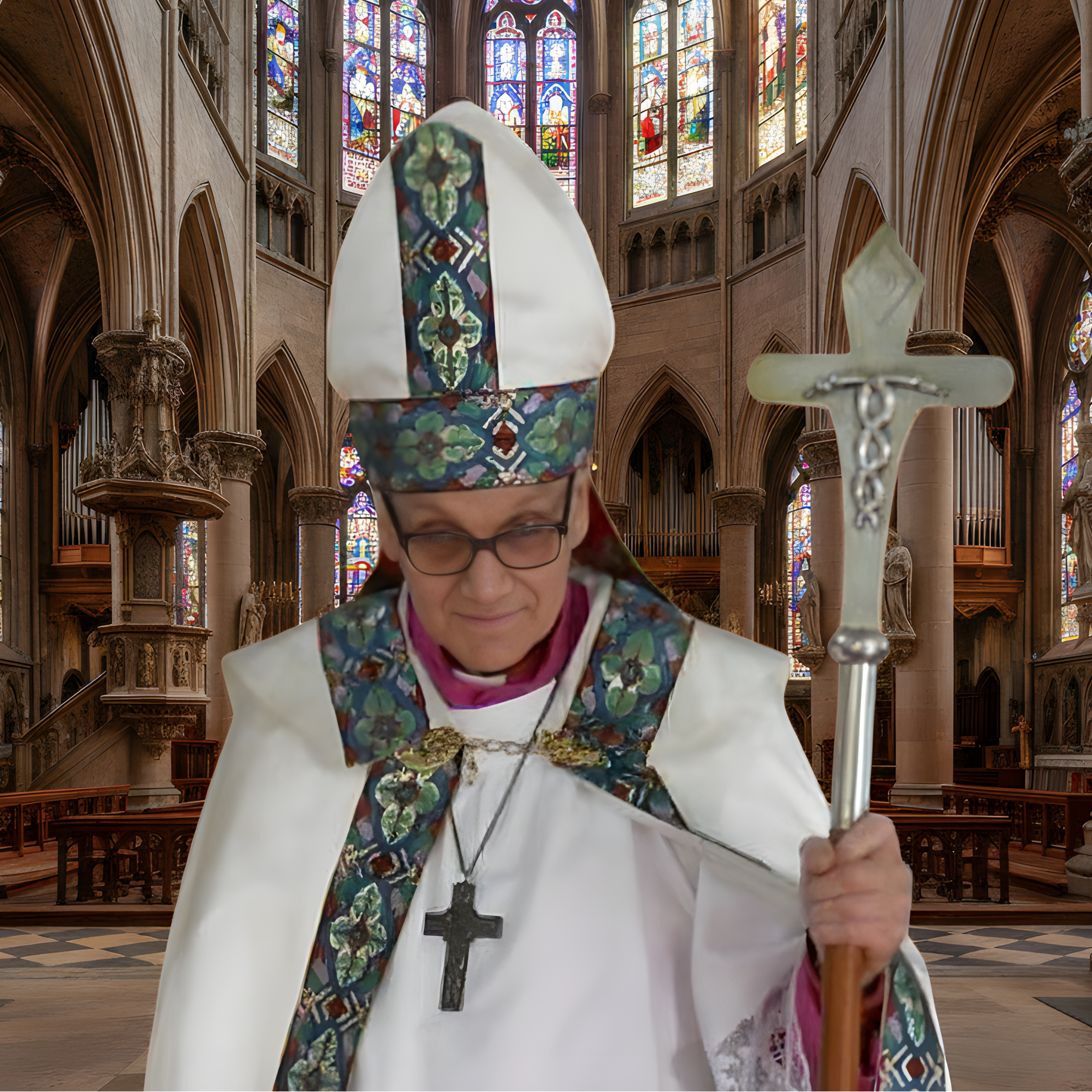
Archbishop Frank Bugge
Chancellor

Archbishop Frank Bugge, DD

Primate Emeritus, Australian Church of Antioch[cite: 2]

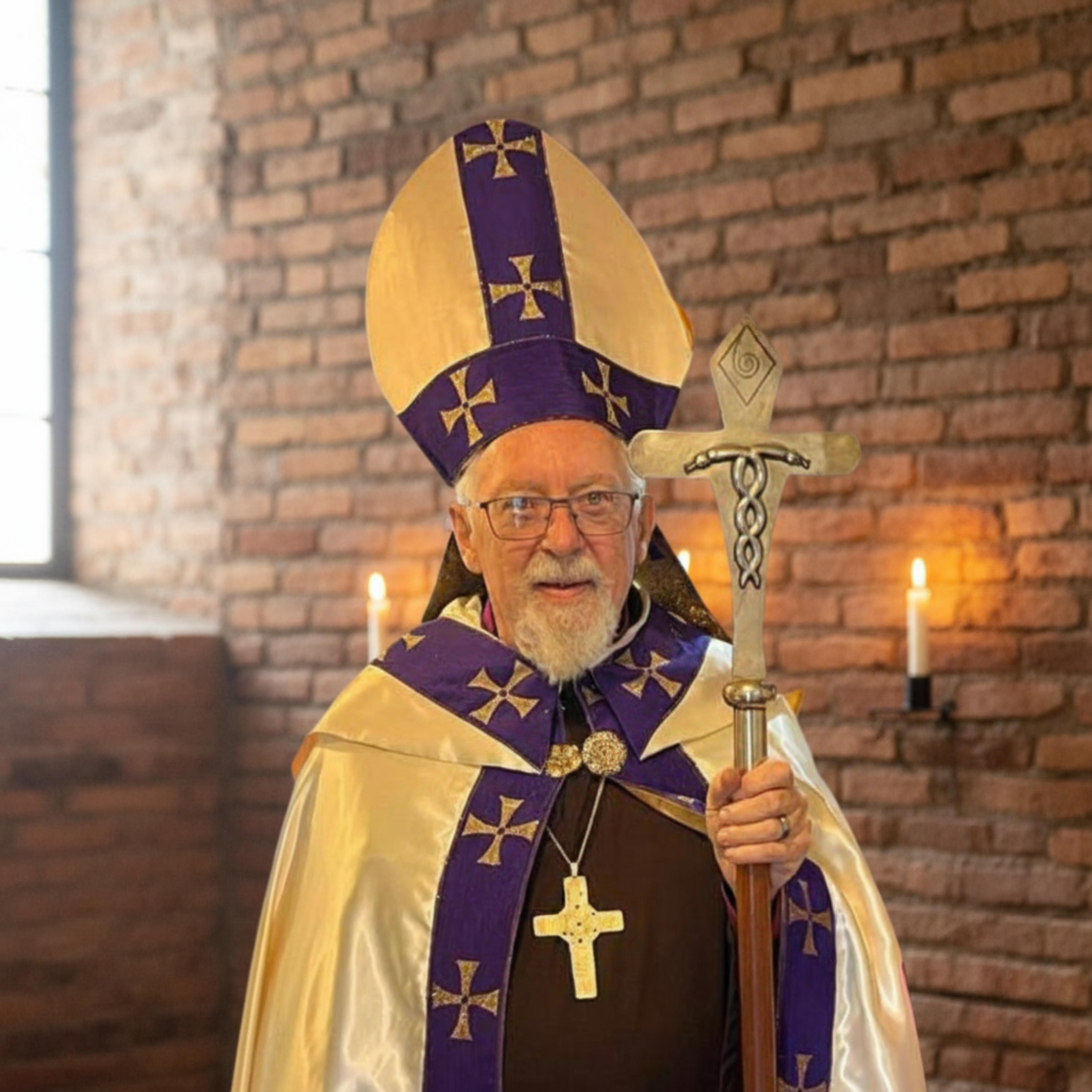
Archbishop Glenn Taylor
Honorary Provost

Archbishop Glenn Taylor, DD[cite: 2]

Presiding Archbishop & Primate, ACOA[cite: 2]

Director of Studies

The Rt. Rev. Mar Elisha Thoma

Senior Fellow & Director, HASRC[cite: 2]

Office of the Registrar

Apply for the Licentiate in Sacramental Ministry

Holy orders candidates under episcopal direction, independent ministers, and non-ordained seekers are invited to submit their spiritual biography and transcripts for enrollment assessment[cite: 2, 20].